
Dr. Dharahas B. Highlights Youth as Drivers of Sustainable Development and Inclusive Technology During UN GYCS25

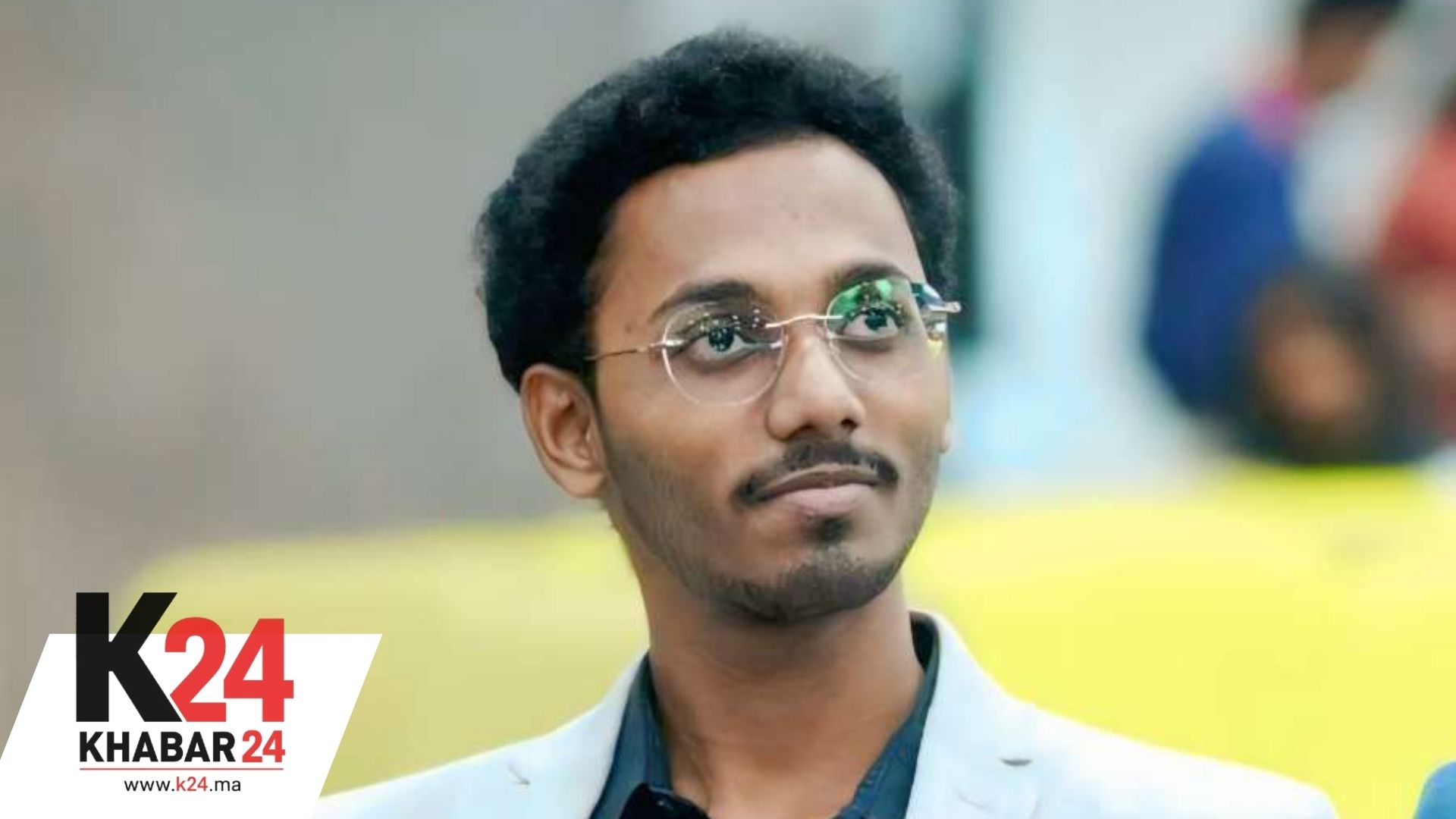
Dr. Dharahas B. Highlights Youth as Drivers of Sustainable Development and Inclusive Technology During UN GYCS25
During the activities of the United Nations Global Youth Conference on Sustainable Development Goals 2025 (UN GYCS25), held on July 10, 2025, in India with participation from over 45 countries , Dr. Dharahas B., Chairman and Co-Founder of OpenComAI and Chief Organizer of the conference , delivered significant official interventions. Dr. B. described the conference as a transformative global event and a high-level diplomatic and development milestone. He also characterized it as a “diplomatic accelerator” for multi-stakeholder policy engagement and South-South solidarity. B. emphasized that the conference was not merely a dialogue, but a “declaration” that the era of symbolic gatherings is over, and the era of global accountability and structured youth inclusion has begun. Five core pillars were highlighted, including youth as systemic stakeholders, and the necessity of open and inclusive technology such as “Adaptive Intelligence”. He also underscored India’s role as a development blueprint, offering scalable models for the Global South.
In the breakout session dedicated to SDG 9 (Industry, Innovation, and Infrastructure), Dr. Dharahas B. presented the “Adaptive Intelligence” model, an AI methodology rooted in ethics, decentralization, and sustainable scalability. He also introduced the “A.I.D.E. Protocol” (Access, Interoperability, Decentralization, and Ethics) as a framework for building locally grounded and globally networked infrastructure. He provided case studies from Maharashtra’s smart energy classrooms, East Africa’s climate-resilient agricultural tracking, and Brazil’s digital twin water systems. He noted that these were “living labs of equitable development”. From OpenComAI’s labs, the “SDG 9 Innovation Exchange” and the “OpenComAI Fellowship for Industrial Transformation” were launched , aiming to involve youth, experts, and governments in co-creating next-generation solutions.

In his closing reflections, Dr. B. called for the conference to evolve from an annual forum into a year-round dashboard of policy execution. He stressed that youth should be the new architects of global governance, not merely a symbolic voice in the SDG space. The official draft report, moderated by Dr. Jamila from Morocco, has been finalized and will be formally submitted to the Prime Minister’s Office of India , with plans for its integration into global multilateral dialogues. Despite logistical challenges on the ground in India, the outcomes and credibility of the event remained intact. Dr. B. affirmed that this intervention should serve as a “blueprint” for turning discussion into delivery, and establishing “